
How to Break Down Large Projects Into Manageable Tasks?
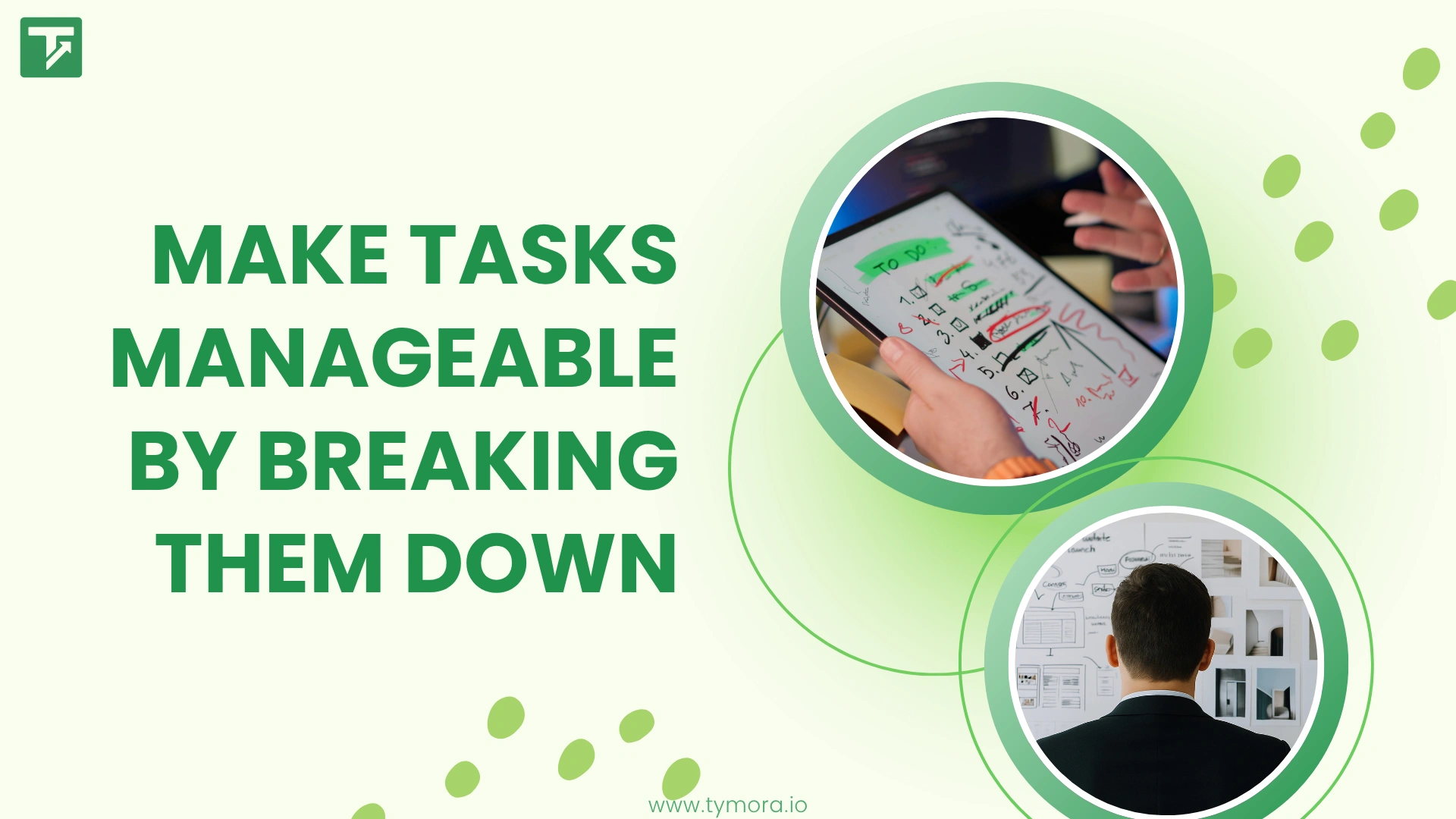
Big projects feel overwhelming not because you’re inexperienced, but because they look unclear. When you don’t know where to start, the entire project feels heavy. But the moment you bring clarity, even just a little; the whole thing becomes easier to handle.
If you’re a beginner freelancer or a small business owner juggling multiple responsibilities, this confusion is completely normal. You’re not alone. Most people don’t struggle with “hard work.” They struggle with figuring out where to begin.
This is why learning how to break projects into manageable tasks can transform the way you work. It gives you direction, reduces stress, and makes every project feel possible.
Why Breaking Projects Into Manageable Tasks Works So Well?
When you leave a project as one big, vague idea, your brain doesn’t know how to process it. So you start overthinking. You delay starting. You jump between steps. You lose track of progress. And eventually, the project becomes mentally exhausting.
But the moment you divide that big project into smaller, clear steps, everything changes. You stop panicking, your work feels lighter, and progress becomes steady. It’s like going from climbing a mountain to walking up small, easy steps.
This simple shift can completely change how you approach work, and how confident you feel.
Step 1: Define What “Done” Looks Like
The biggest reason people get stuck is they aren’t sure what the final outcome should look like. Before anything else, take a moment to define the final deliverable.
Ask yourself:
“What exactly am I trying to produce at the end?”
This creates instant clarity. Once the finish line is clear, the path toward it becomes much easier to build.
Step 2: Divide the Project Into Major Milestones
Once you know the final goal, break it into a few large sections. These sections are called milestones, and they act like stepping stones from start to finish.
Think of milestones as the “big chapters” of your project. Instead of worrying about everything at once, you focus on one chapter at a time. This reduces stress and gives the project a clear structure.
For example, instead of building an entire website at once, you move through stages like research, design, development, and testing. Each stage feels far more manageable than the entire project.
Step 3: Break Each Milestone Into Small Action-Based Tasks
This is where the real magic happens. For each milestone, start listing tiny, specific tasks. They should be so simple that you instantly know how to complete them.
For example, instead of writing “Create homepage design,” break it down into smaller steps like choosing a color scheme, selecting fonts, creating the banner, and placing the call-to-action button.
These bite-sized tasks make the work feel achievable because you’re always completing small wins. And these small wins keep your momentum strong.
Step 4: Put Your Tasks in Order
A list is good, but a sequence is powerful. Once all your small tasks are written down, arrange them in the order they must be completed.
This prevents you from jumping randomly between steps or wasting time figuring out what comes next. A clear order gives you a smooth, predictable workflow.
Step 5: Add Time Estimates to Each Task
Instead of estimating the entire project at once, give each small task its own time estimate. This makes planning more realistic and prevents last-minute pressure.
You’ll immediately see which tasks take longer, which ones are quick wins, and how the project timeline should look. Small time estimates create clarity where big ones create stress.
Step 6: Prioritize Tasks Based on Impact
Not all tasks are equal. Some move the project forward faster. Others take a lot of time but don’t create immediate progress.
Always ask:
“Which task matters right now?”
Smart prioritization is the difference between productivity and chaos.
Step 7: Use One Simple Tool to Keep Everything Organized
Many people break things down beautifully but then lose everything in scattered notes, screenshots, or random documents. When that happens, the clarity disappears, and overwhelm returns.
This is why using a tool like Tymora becomes incredibly helpful. It gives you one clear place to organize:
- your milestones
- your tasks
- your deadlines
- your progress
Tymora keeps everything neat and visible, so you always know exactly where you stand. And unlike big, complicated tools, it’s built specifically for freelancers, small teams, and small agencies who need simplicity, not overwhelm.
Step 8: Review Your Breakdown Weekly
Things change. Clients change. Your ideas change. So do your tasks. Do a simple 10-minute weekly review:
- Remove tasks
- Add missing steps
- Adjust deadlines
- Reorder priorities
This keeps your entire project clear and flexible.
Step 9: Track and Celebrate Each Completed Task
Don’t underestimate this step. Every small task you complete boosts your confidence. It makes the next task feel easier. And little by little, these small wins transform a big project into something you finish with ease.
Completion builds confidence, and confidence builds momentum.
Example Breakdown: A Social Media Strategy Project
To understand the complete task breakdown, here’s a quick example.
Final Deliverable:
A 30-day content strategy
Milestones:
- Research
- Content Planning
- Content Creation
- Scheduling
- Reporting Setup
Example Tasks:
Research Milestone:
- Competitor analysis
- Audience pain point study
- Trend research
- Reference collection
- Research summary
By splitting it this way, the project becomes simple and clear.
This is exactly how you turn large projects into manageable tasks with ease.
How This Makes You More Professional?
Clients love clarity. When you break tasks down, you communicate better, set predictable deadlines, and work more confidently. You avoid mistakes, reduce stress, and complete projects faster.
This approach doesn’t just improve your productivity, it makes you look more reliable and professional.
Final Thoughts
Big projects are not scary, unclear projects are. When you break your projects into manageable tasks, you take back:
- Control
- Confidence
- Calmness
- Organization
- Smooth delivery
And when you combine this habit with a simple tool like Tymora, your workflow becomes stronger, clearer, and far more efficient.
You don’t need more hours. You need more clarity.
If you want your big projects to finally feel easy and manageable, start breaking them into small tasks today.
And when you’re ready for a tool that gives structure, clarity, and support, let Tymora guide your workflow like a true hero.
Your projects will feel lighter from day one.
1. How do I break big projects into manageable tasks as a beginner?
Start by defining the final outcome, then divide it into major milestones. Break each milestone into small action steps that take 10–60 minutes. This method makes large projects into manageable tasks that are clear and easy to complete.
2. What is the easiest way to turn large projects into manageable tasks?
The easiest way is to write down every step needed, then group them into milestones. Put tasks in order, estimate how long they’ll take, and track them using a simple tool. This turns overwhelming projects into manageable tasks instantly.
3. Why do freelancers need to break projects into manageable tasks?
Freelancers juggle multiple deadlines, so breaking projects into manageable tasks helps avoid burnout, improve planning, and deliver work faster. Clear tasks mean less stress and more consistent progress.
4. What tools help break projects into manageable tasks effectively?
Tools like Tymora help you organize milestones, track progress, and stay on schedule. They make it easier to break projects into manageable tasks and manage everything in one place without feeling overwhelmed.
5. How can I stay consistent after breaking projects into manageable tasks?
Use a simple checklist, review tasks weekly, and complete the highest-impact tasks first. When projects into manageable tasks are well-organized, it becomes easier to stay consistent and finish on time.
6. How do I know if I’ve broken my project into manageable tasks correctly?
Your tasks should be small, specific, and take less than an hour each. If each step feels clear and doable without confusion, you’ve successfully broken your projects into manageable tasks the right way.
What's inside?
Customer Success Stories
See how agencies and freelancers are transforming their businesses with Tymora
Tymora has completely transformed how I manage my freelance business. From invoicing to tracking expenses, everything is streamlined and effortless.

Monowar Iqbal Layek
Freelancer
Managing my freelance work is so much easier with Tymora. Invoicing is fast, expense tracking is simple, and I feel more organized than ever.

Sandeep Acharya
Freelancer
Tymora made managing my freelance projects and finances seamless. The platform is intuitive, and support is always responsive and helpful.

Samsur Rahaman
Automation Framework Architect